Pipe Bursts Don’t Wait for Winter: What Actually Fails First
Don’t wait for a freeze to protect your home. Learn the predictable order pipes fail and the simple, low-cost steps you can take now to prevent a flood later.
In this article
Metro Atlanta doesn't get the kind of winter that makes people take pipes seriously. We get something more dangerous: a handful of hard freezes a year, arriving after months of mild weather, into houses built for a climate that mostly doesn't freeze.
A burst pipe in Atlanta is often treated as a mid-winter problem, but the useful prevention work happens before the first hard freeze.
That combination is why a single cold night here can produce more burst-pipe calls than a week of genuine winter does further north. Nothing is insulated for it, nobody is watching for it, and the freeze arrives without the gradual run-up that would have prompted anyone to prepare.
The useful thing to know is that pipes don't fail at random. They fail in a predictable order, and everything on that list is addressable now, in September, for very little.
What actually happens when a pipe bursts
The common mental image is ice expanding until it splits the pipe at the point where it froze. That's not usually it.
What typically happens: ice forms somewhere in the run and creates a plug. Water continues to be delivered from the supply side, but now it has nowhere to go - and pressure builds in the section between the ice plug and the closed fixture beyond it. The failure happens in that pressurized section, which is frequently some distance away from the actual ice and frequently in a warmer part of the house.
Two consequences worth understanding. The burst can be nowhere near the frozen part - which is why chasing the cold spot to find the break often fails. And the water doesn't start flowing when the pipe splits, it starts when the ice thaws. A pipe that froze and burst overnight may produce no water at all until midday, when it releases at full line pressure into whatever is around it, frequently while nobody is home.
The order things fail in
Roughly most to least likely, in a metro Atlanta house:
1. Outdoor hose bibs with a hose still attached. This is the single most common one and the easiest to prevent. A connected hose traps water in the spigot and in the short run of pipe behind it, and that section - which passes through an exterior wall - freezes readily. Disconnect every hose. It takes two minutes and it removes the most likely failure from the list entirely.
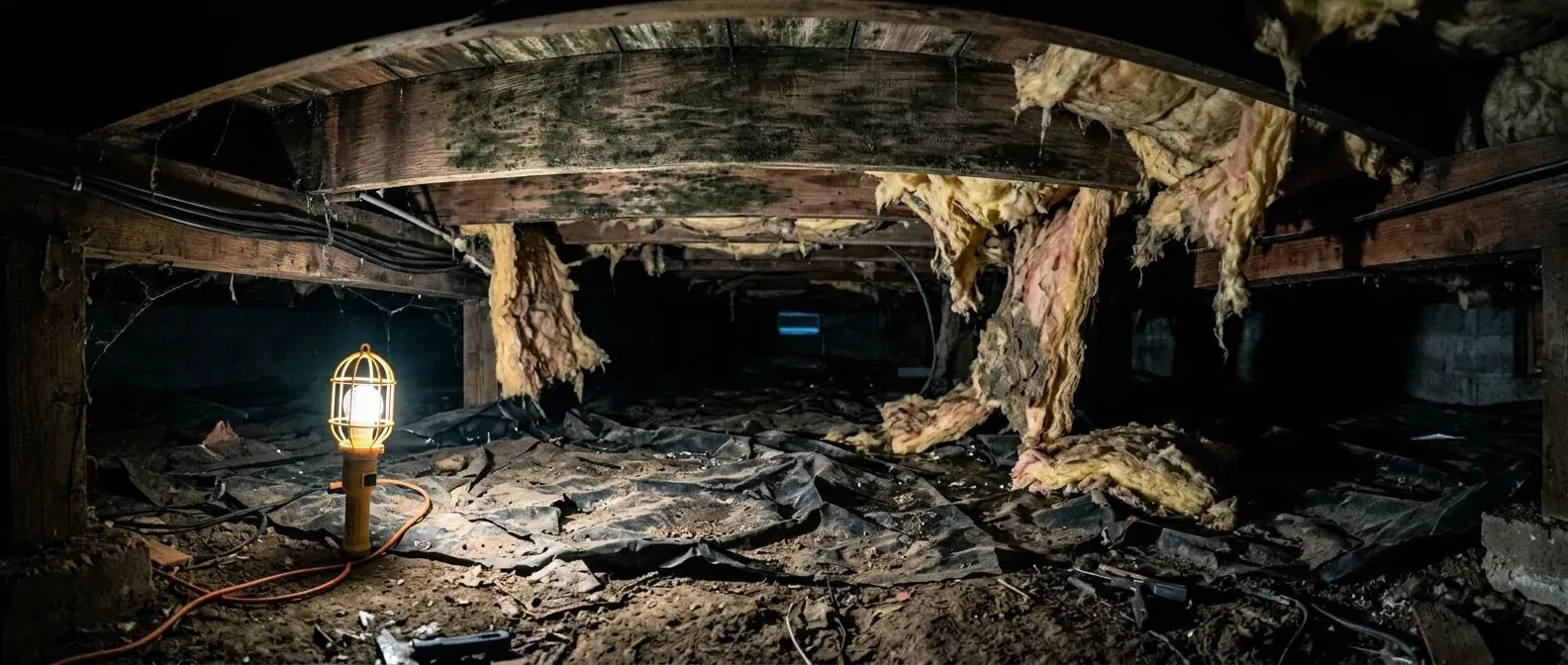
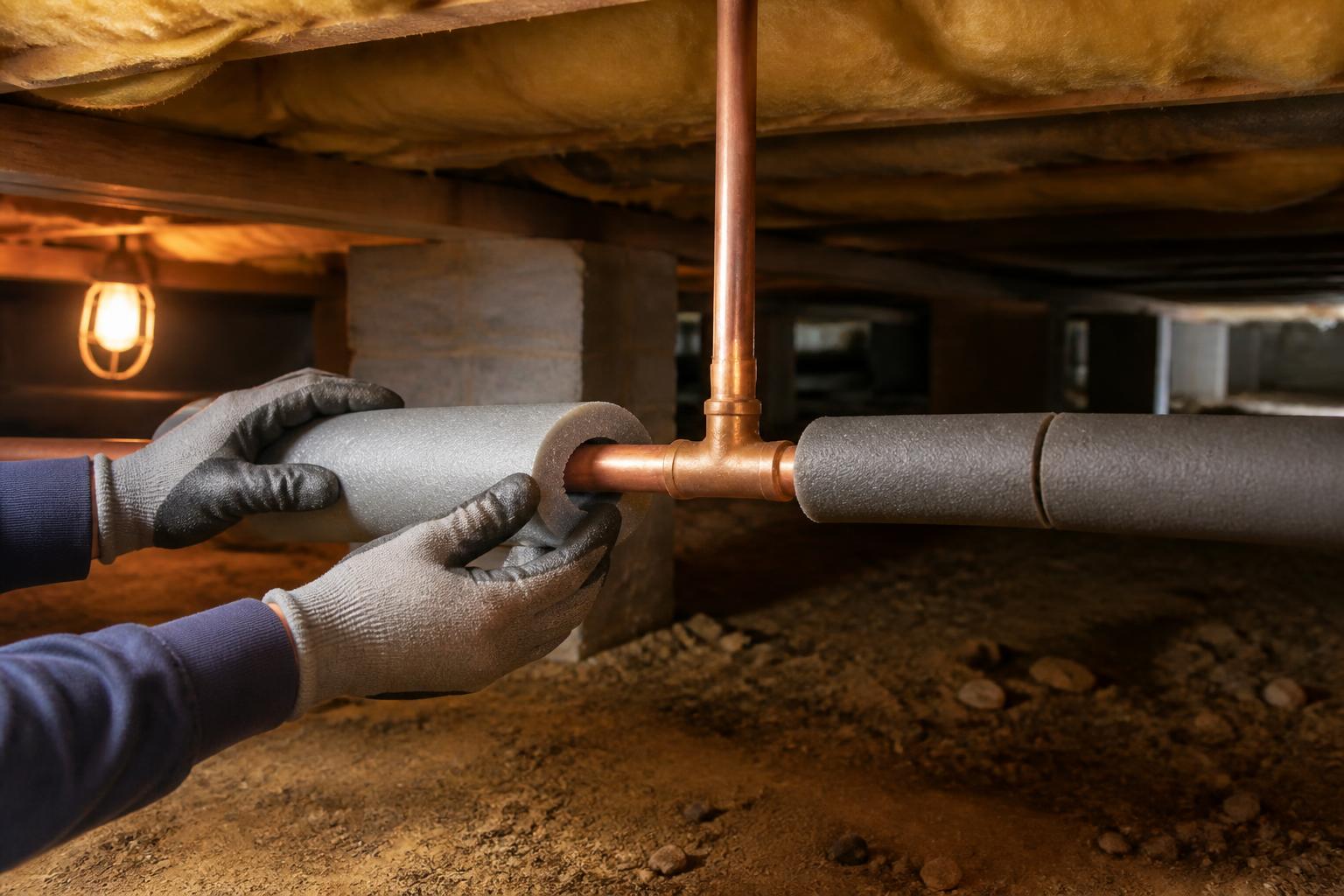
2. Pipes in crawlspaces. Uninsulated supply lines running through a vented crawlspace are exposed to essentially outdoor temperature while the house above them stays warm. The homeowner is comfortable and has no reason to suspect anything is happening four feet below.
3. Pipes in exterior walls. Common in kitchens and bathrooms on outside walls, and functionally invisible. The signal that a run is at risk: a fixture whose flow noticeably weakens on a cold morning, which means it's partially frozen.
4. Garage and unheated-space plumbing. Water heaters in garages, laundry hookups in unconditioned spaces, and anything in an attached-but-unheated room.
5. Anything on the north side of the house. Less sun, colder wall, and it's where a marginal run tips over.

What to do in September, in order of return
Disconnect the hoses. Every one. Drain them and store them. If you have frost-proof spigots, this still applies - a connected hose defeats the frost-proof design.
Insulate the crawlspace and garage runs. Foam pipe sleeves cost very little and install by hand. Prioritize the runs closest to exterior vents, the runs on the north side, and anything near a crawlspace opening.
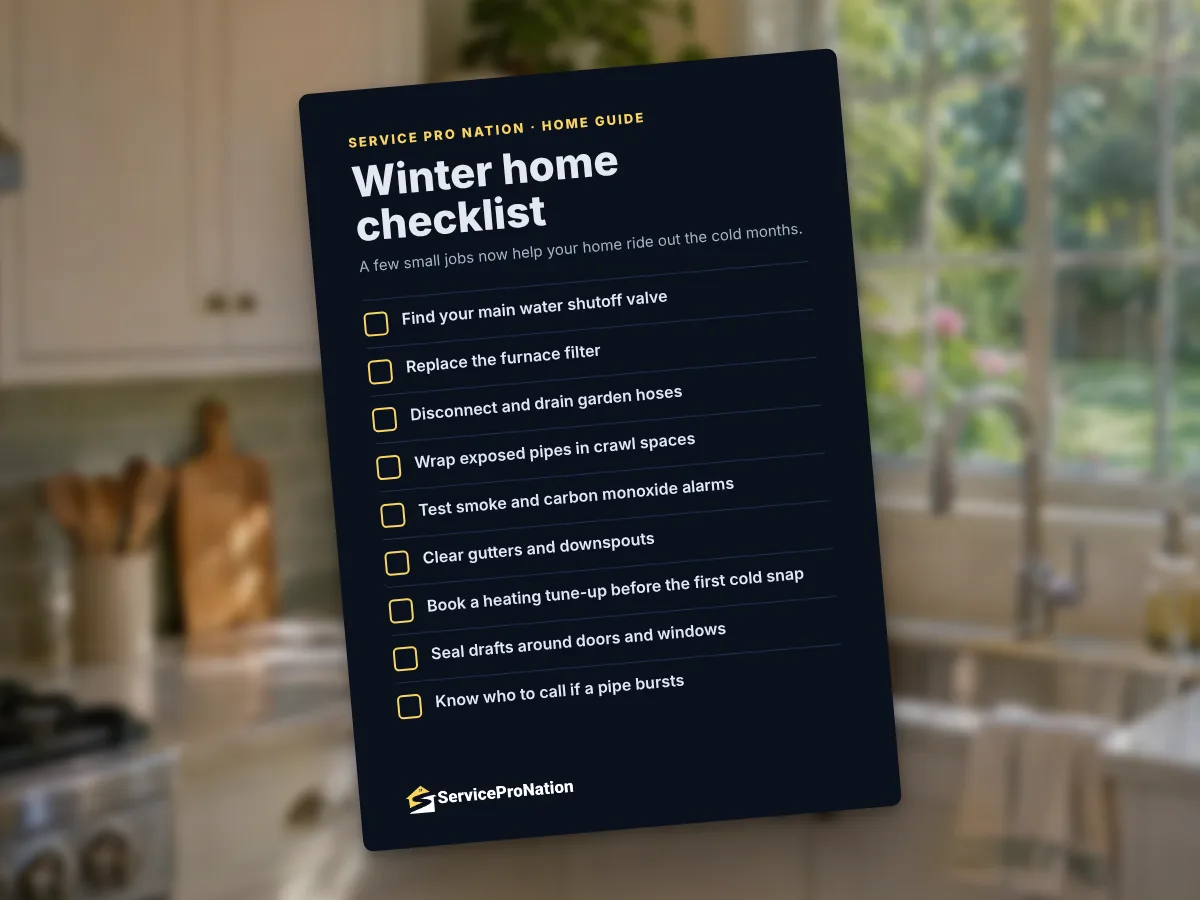
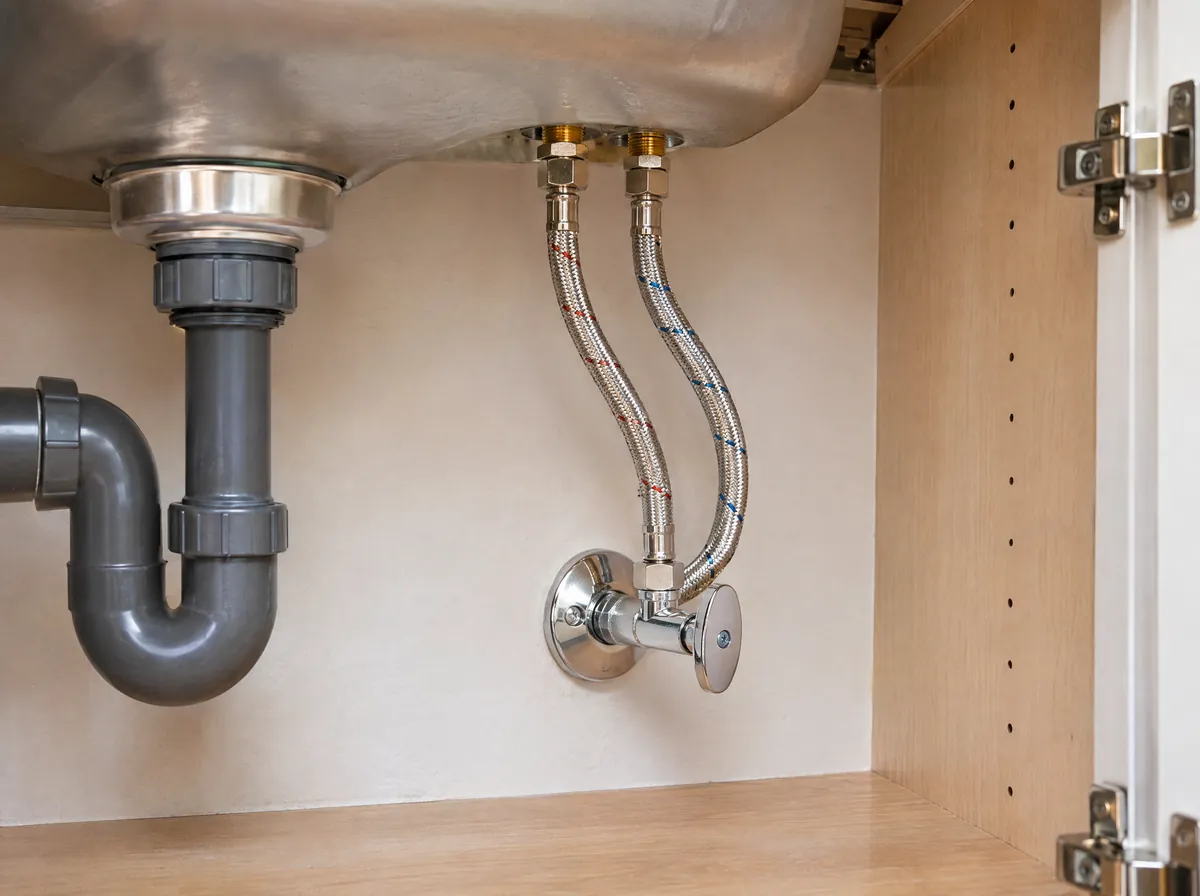
Find your main shutoff and operate it. Full off, full on. If it won't turn, that's a plumbing call now - not at two in the morning in January standing in water. A seized main is the difference between a burst pipe and a flooded house.
Do the same for individual stops under sinks and behind toilets. These seize even more reliably.
Check the crawlspace vents. They should be open in summer for moisture control and closed during hard freezes. Confirm they still operate and that you can reach them.
Look at the water heater. Staining on the floor at its base, rust on the tank seams, corrosion at the top fittings. Water heaters fail on their own schedule and the fall is a good moment to know where yours is in its life.
Replace rubber washing machine hoses with braided stainless. A rubber supply hose that lets go delivers water at full line pressure until someone shuts it off - this isn't a freeze failure, it's a year-round one, but you're already behind the machine.

On the night of a hard freeze
Let a faucet drip - a thin, steady stream, not a drip you have to look for - on the fixture farthest from where water enters the house, and on anything you know runs through an exterior wall or crawlspace. Moving water is considerably harder to freeze, and an open fixture also gives a forming ice plug somewhere to relieve pressure instead of building it.
Open the cabinet doors under kitchen and bathroom sinks on exterior walls, so household heat reaches the pipes.
Don't set the thermostat back overnight during a hard freeze. The few dollars saved is not a good trade.
Close the crawlspace vents if you can reach them.
If it happens anyway
Shut off the main immediately. Before anything else, before looking for the break.
Open faucets to relieve pressure and let the system drain.
Cut power to affected circuits if water has reached outlets or is anywhere near electrical.
Photograph everything before you start cleaning. This will be a claim.
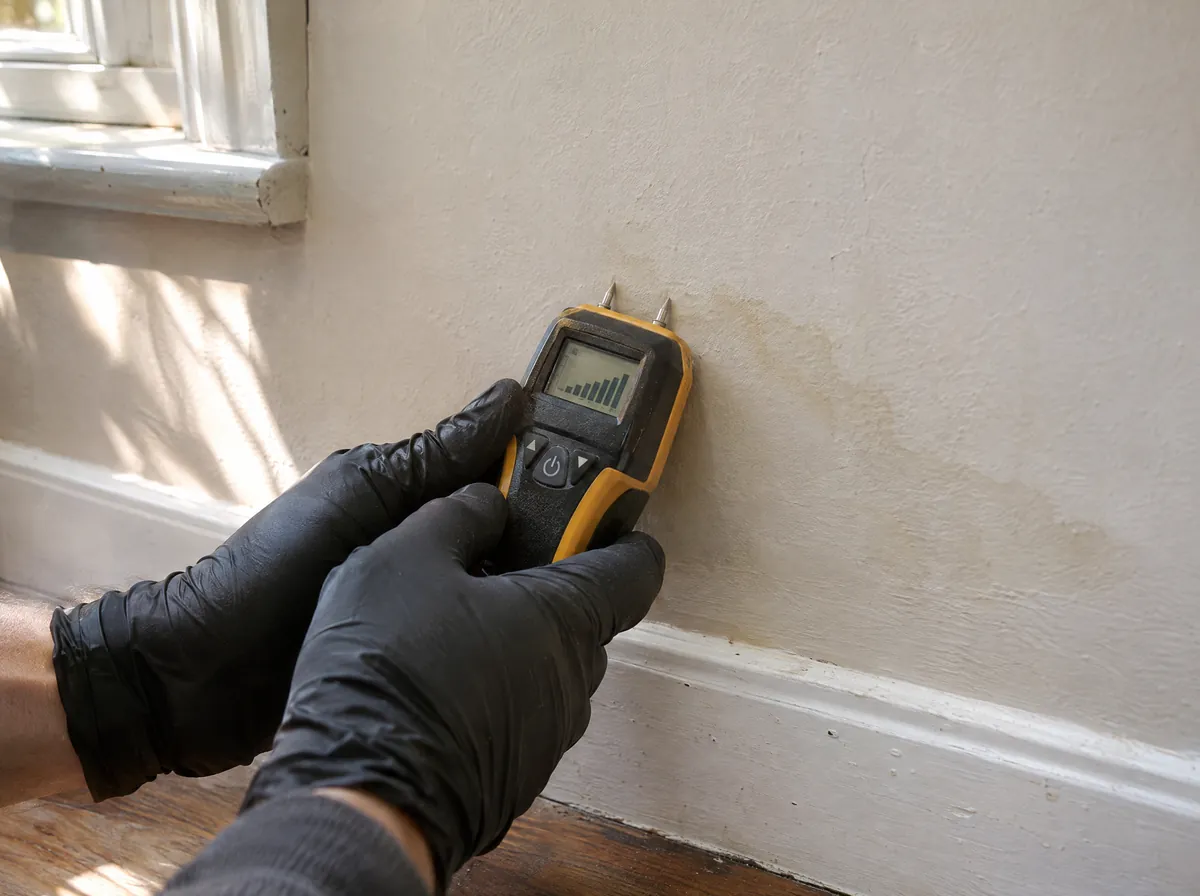
Call for the plumbing repair and the drying as two separate things - because they are. The pipe repair stops the water; it does nothing about the water that's already in your walls and floor.
That second part is what people underestimate. A burst supply line can deliver a very large volume before anyone notices, and it goes into wall cavities, under flooring, and down through ceilings. The full sequence is on the Atlanta water damage services page - worth reading before you need it rather than during.
Frequently asked questions
What temperature do pipes freeze at?
Water freezes at 32°F, but pipes inside a structure have thermal lag - the usual practical concern starts around 20°F sustained for several hours, and lower for well-protected runs. Exposed pipes with wind on them fail sooner. In metro Atlanta, the overnight lows that matter arrive a handful of times a year.
Which pipes freeze first?
Outdoor spigots with hoses attached, then crawlspace runs, then pipes in exterior walls, then garage and unheated-space plumbing. North side before south side.
Does letting the faucet drip actually work?
Yes, for two reasons: moving water resists freezing, and an open fixture gives pressure somewhere to go if an ice plug does form. It's the pressure relief that prevents most bursts.
A faucet stopped working on a cold morning. What now?
Likely a partial or complete freeze in that run. Leave the faucet open, apply gentle warmth to accessible sections of the pipe if you can reach them, and do not use an open flame. If you can't locate or reach it, call - a pipe that's frozen and hasn't burst yet is a much better call than the one after.
Is pipe insulation worth doing myself?
For accessible runs in a crawlspace or garage, yes - foam sleeves are inexpensive and install without tools. Pipes inside finished walls aren't a DIY job and generally aren't worth opening walls for preemptively.
Talk to a pro in your area
Everything on this list costs very little in September. Service Pro Nation connects homeowners across metro Atlanta with vetted local plumbing pros - one call, matched to your area.
Plumbing, metro Atlanta: (678) 940-0410
Related service areas: Atlanta plumbing services · Lawrenceville plumbing services · Snellville plumbing services · Duluth plumbing services · Norcross plumbing services · Buford plumbing services · Marietta plumbing services · Smyrna plumbing services · Kennesaw plumbing services