Understanding Common Home Repair Costs
Homeowners often face unexpected repair bills, making it crucial to have a realistic understanding of average costs for various services. This knowledge empowers you to budget effectively and avoid overpaying for essential home maintenance and emergency repairs.
Costs can vary significantly based on factors like the complexity of the job, the materials required, the geographic location, and the specific professional you hire. For instance, a simple leaky faucet repair will differ greatly in price from a complete HVAC system replacement or a major roof overhaul.
When to Consider DIY vs. Hiring a Professional
Deciding whether to tackle a home repair yourself or call a professional is a common dilemma for homeowners. While DIY projects can save money and offer a sense of accomplishment, some tasks pose significant risks to your home's safety, value, and structural integrity if not performed correctly.
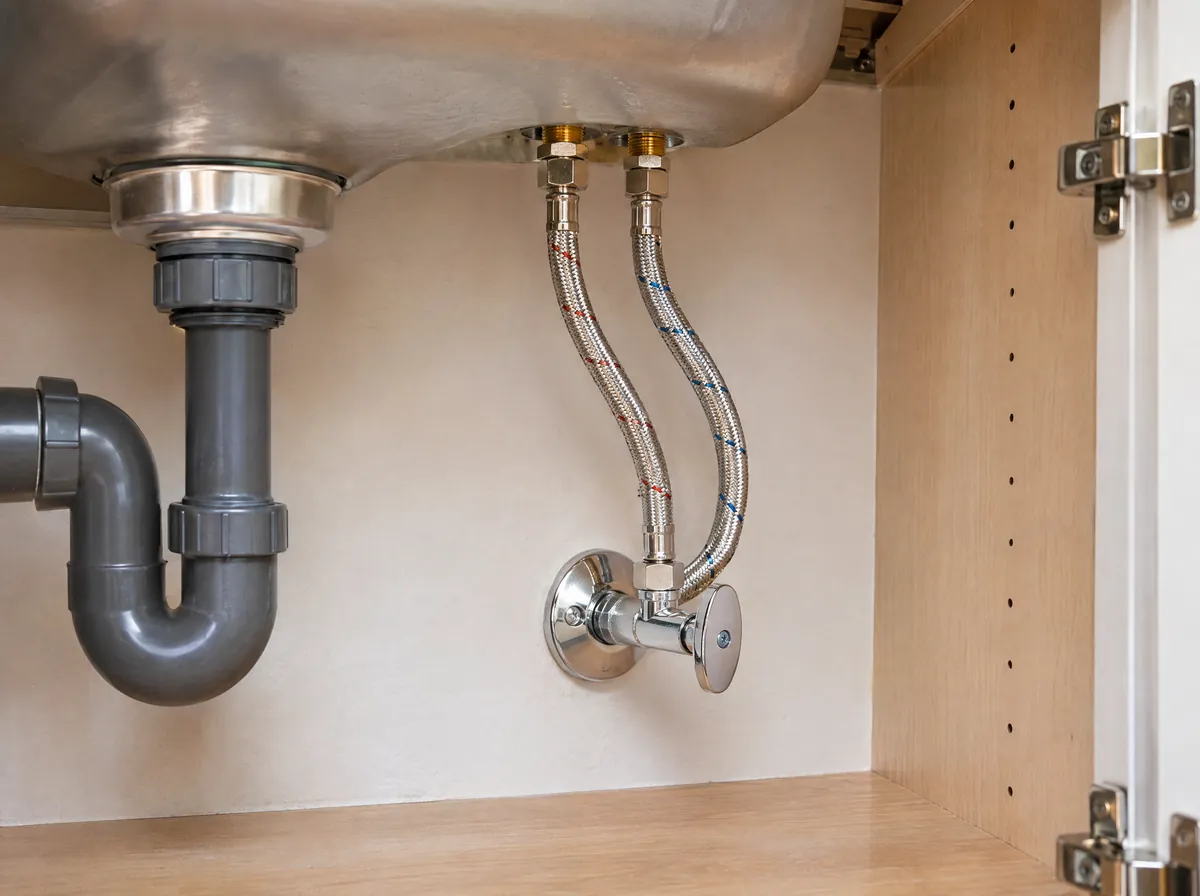
Simple tasks like changing an air filter or unclogging a drain might be suitable for DIY enthusiasts. However, complex electrical wiring, major plumbing issues, structural modifications, or extensive roofing repairs are best left to licensed and bonded professionals who have the expertise, tools, and insurance to complete the job safely and effectively.
Seasonal Home Maintenance Checklist for Preventative Care
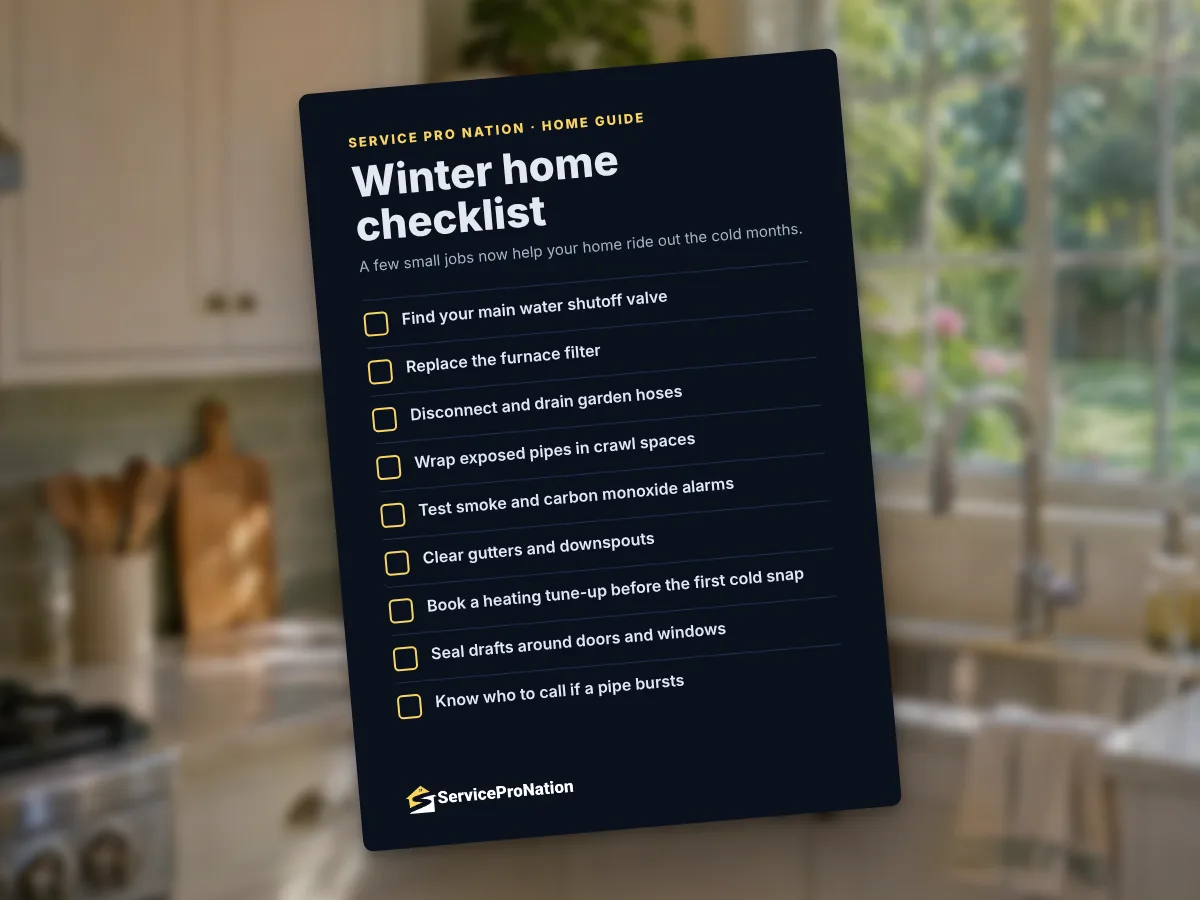
Regular seasonal maintenance is key to preventing costly repairs and extending the lifespan of your home's systems and features. By proactively addressing potential issues, you can ensure your home remains safe, comfortable, and energy-efficient throughout the year.
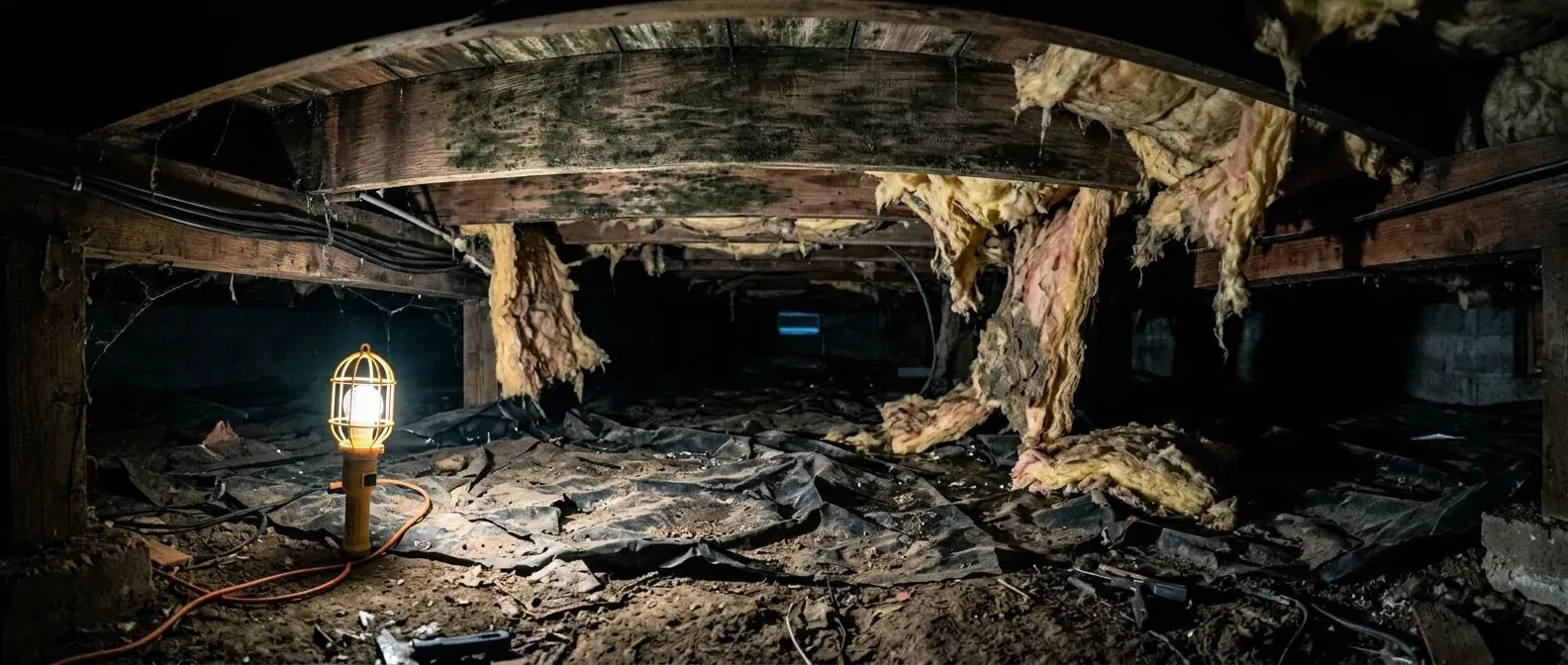
A comprehensive checklist typically includes tasks such as cleaning gutters in the fall, inspecting the roof for damage before winter, servicing your HVAC system in the spring and fall, checking for leaks, and ensuring your plumbing is winterized. These preventative measures can identify minor problems before they escalate into major, expensive issues.
Navigating Contractor Red Flags and Ensuring Quality Work
Hiring a home service professional is a significant investment, and it's vital to be aware of potential red flags that could indicate an unreliable or unqualified contractor. Recognizing these warning signs can protect you from scams, shoddy workmanship, and financial loss.
Common red flags include contractors who are unwilling to provide a written contract, demand large upfront payments, lack proper licensing or insurance, provide vague estimates, or pressure you into making immediate decisions. Always prioritize contractors who are transparent, communicative, and willing to provide references and proof of their credentials.