What temperature do pipes freeze? What Atlanta homeowners should know
Homes here aren't built for long cold snaps. Here's where pipes are most exposed and what to do before a cold night.
In this article
Why Atlanta homes are at risk
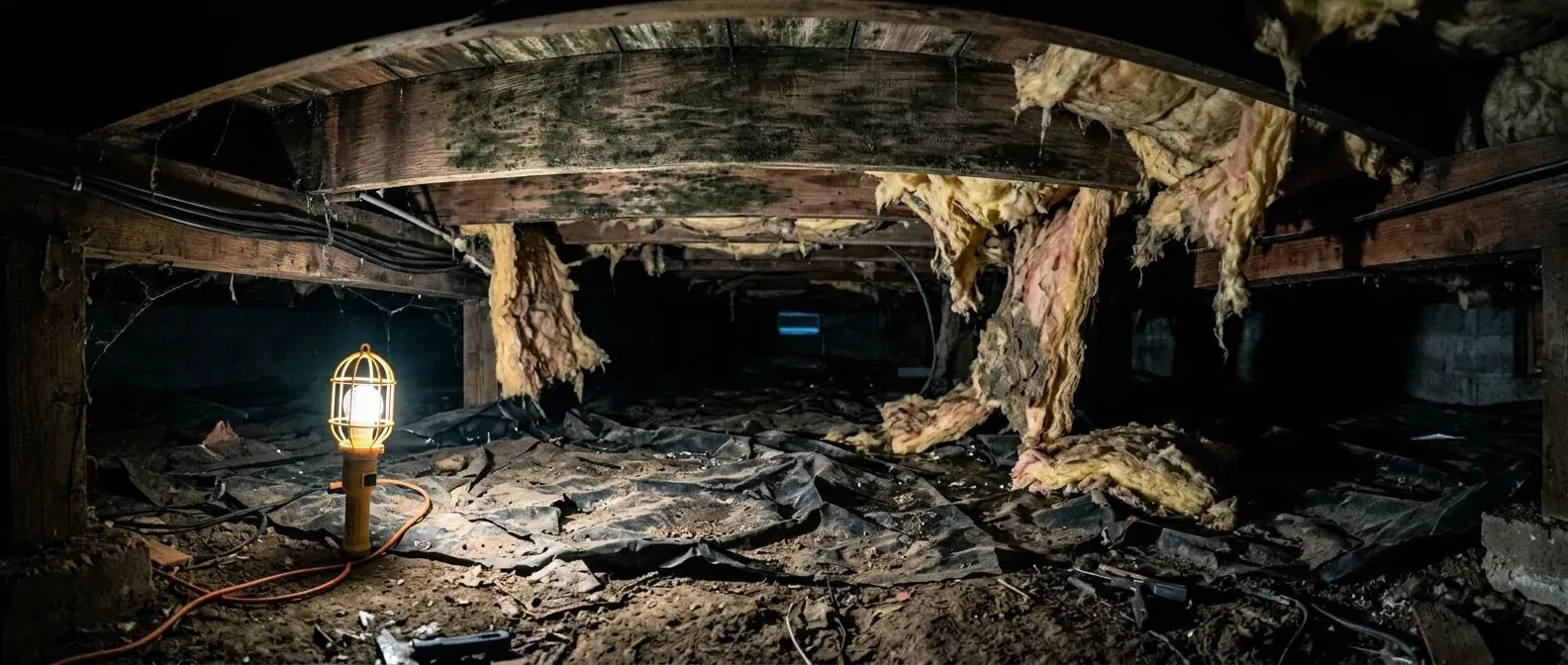
Hard freezes don't happen often here. That's the problem. Many Atlanta homes have pipes running through vented crawl spaces and uninsulated exterior walls, which works fine most of the year and leaves them exposed on the few nights that get really cold.
The number on the thermometer isn't the only factor. Wind, how long the cold lasts, and where the pipe runs all matter. A pipe on an exterior wall with a draft behind it can freeze on a night that leaves the rest of the house fine.
Where pipes freeze in a house
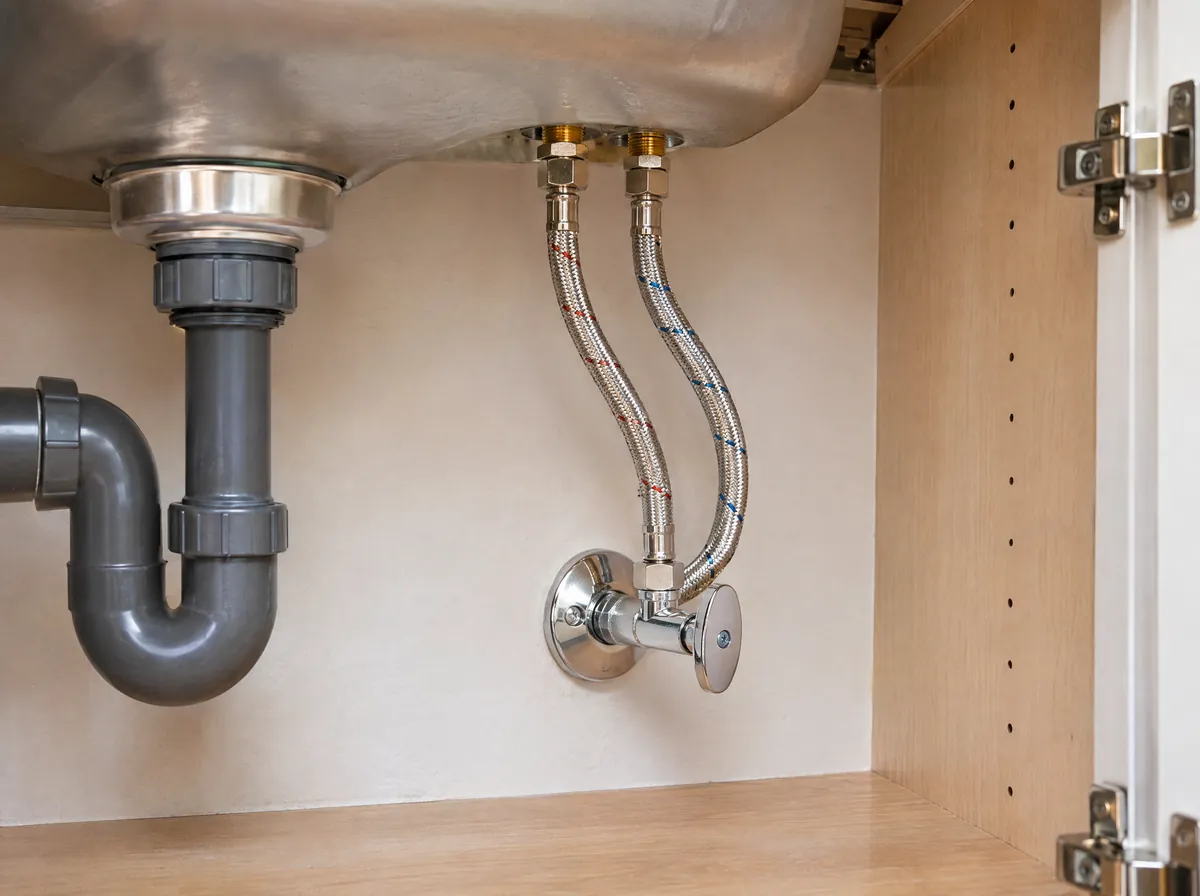
These are the spots to think about first. Each one is outside the heated part of the home, or right up against it.
Before a hard freeze
Most of this takes a few minutes, and it's easier in daylight than at night with a flashlight.
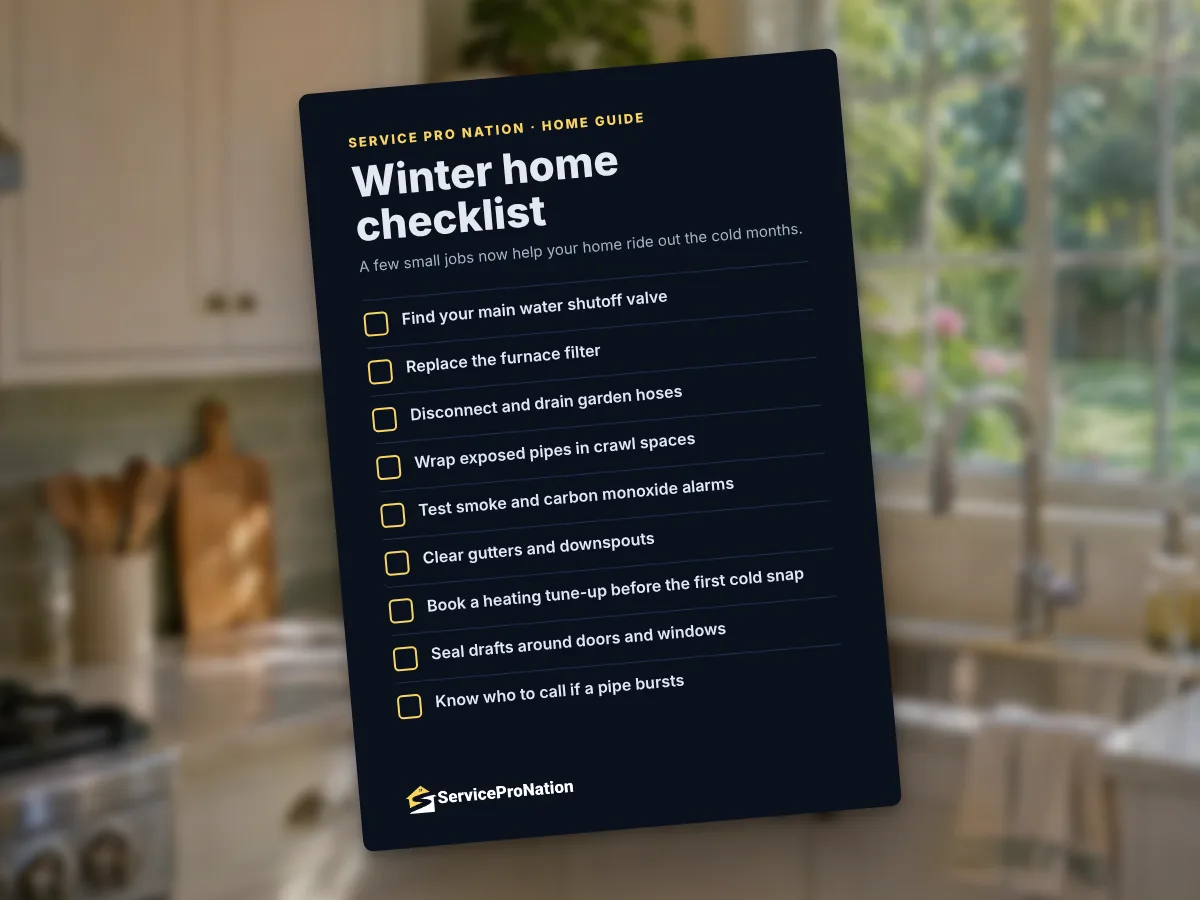
- 1Find your main shut-off valve. Know where it is before you need it, and make sure it turns.
- 2Disconnect hoses and cover outdoor spigots. A foam cover is enough for most nights.
- 3Close crawl space vents and cover gaps where cold air gets in.
- 4Open cabinet doors under sinks on exterior walls so warm air reaches the pipes.
- 5Let a faucet drip on the coldest nights.
- 6Keep the heat on, even when you're away. The American Red Cross recommends keeping the thermostat no lower than 55°F.
If a pipe is frozen but not burst
No water from a faucet, or frost on an exposed pipe, usually means a freeze. Open the faucet so melting water has somewhere to go. Warm the pipe slowly with a hair dryer or warm towels, starting near the faucet and working back.
Never use an open flame. If you can't find the frozen section, or it's inside a wall, that's the point to call someone.
If a pipe bursts
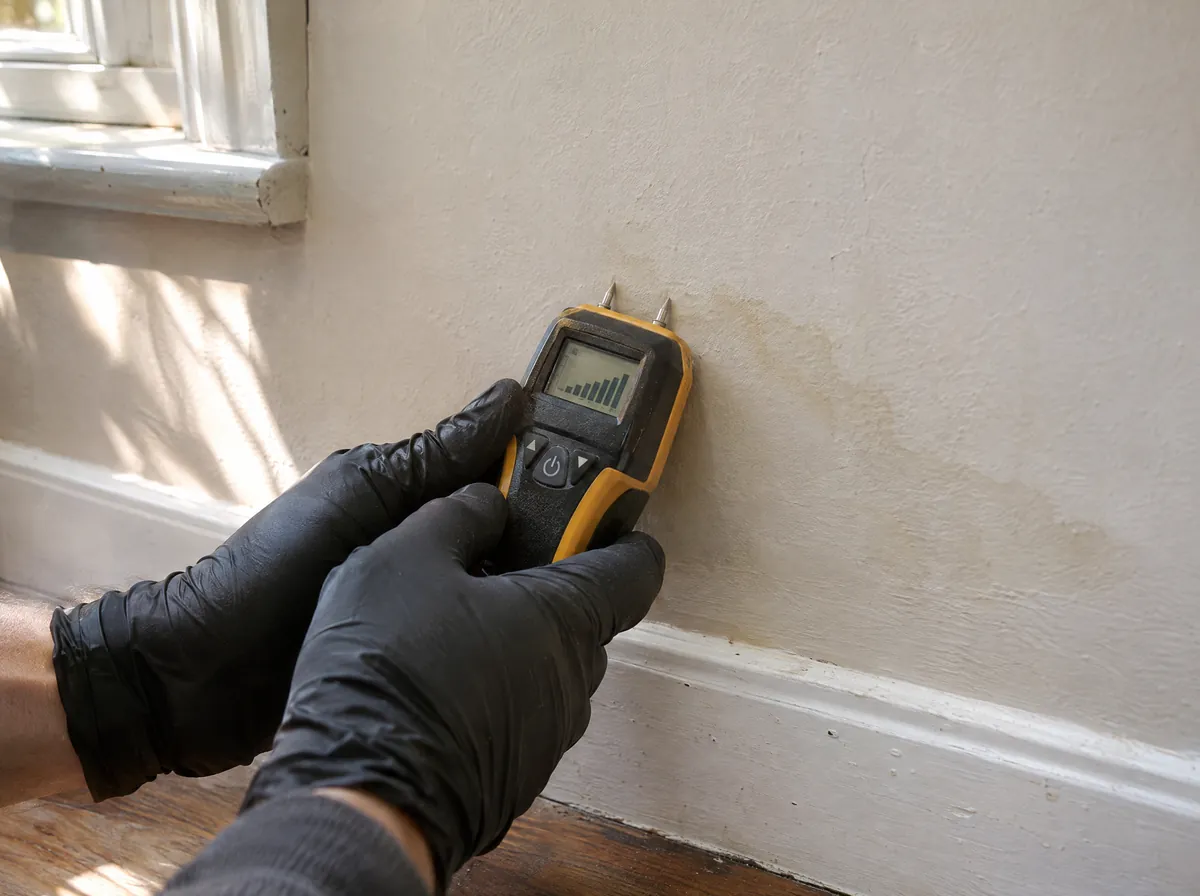
Water from a split pipe spreads into the wall cavity and under flooring before you see it. Shut off the main, turn off power to wet areas if the breaker is safe to reach, and get it looked at. The sooner it's dried, the less it spreads.
Smell gas, see sparks or fire? Leave the house and call 911 first.
Dealing with it now? Water damage in Atlanta has the local number and what to expect on the call.