Water damage and your insurance claim: a step-by-step guide
What you do and write down in the first day matters. How to stop the damage, document it, and get ready for the adjuster's visit.
In this article
The first day
Most policies expect you to keep the damage from getting worse. What you do, and what you write down, in the first day shapes how the claim goes.
Never walk into standing water with the power on. Sewage or flood water is a health hazard. Stay out of any room with a sagging ceiling. Smell gas, see sparks or fire? Leave and call 911.
Seven steps, in order
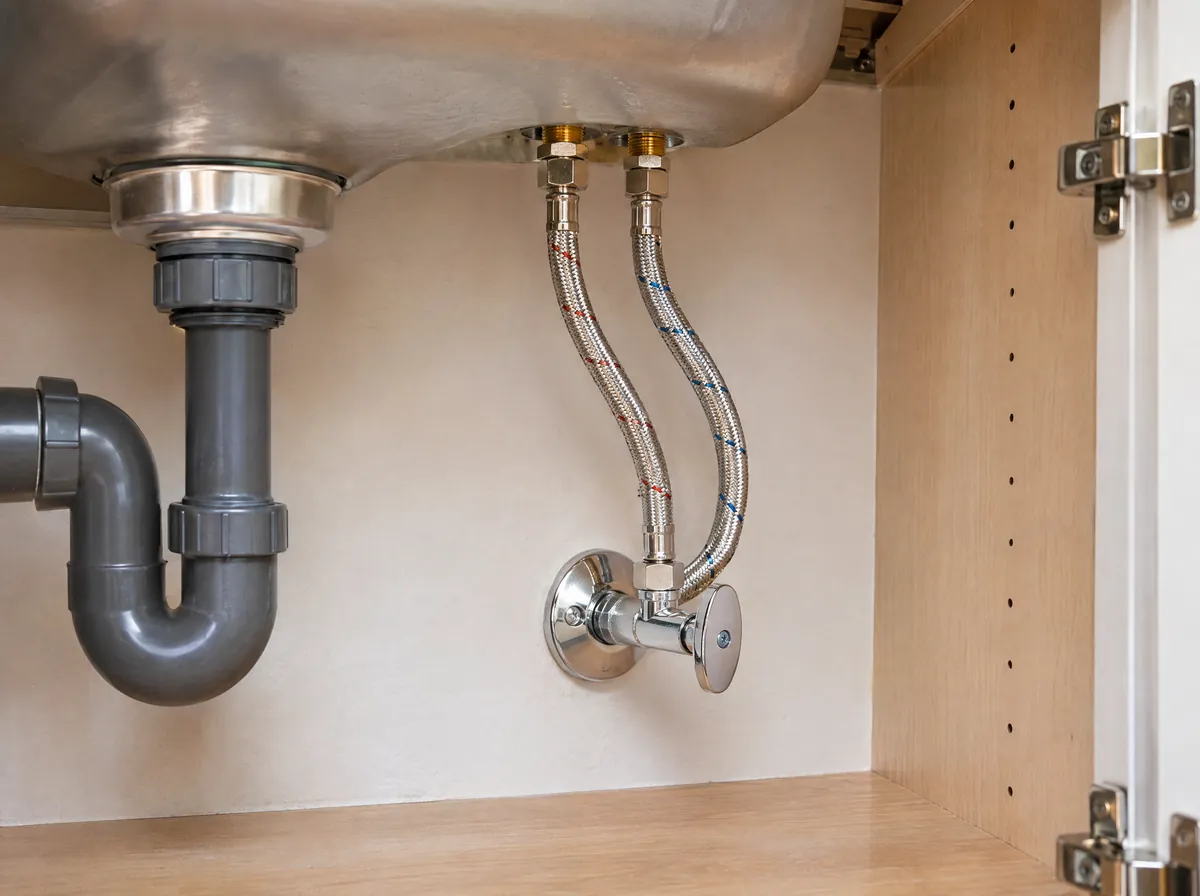
- 1Stop the water and make the area safe. Shut off the main or the nearest supply valve. Turn off power to wet rooms at the breaker, if it's safe to reach.
- 2Document before you touch anything. Wide photos of each room, then close-ups of the damage, the source and each item. A slow video where you say what happened and when.
- 3Call your insurance company. Report the loss, get a claim number, and ask which drying and cleanup costs they approve. Write down who you spoke to and when.
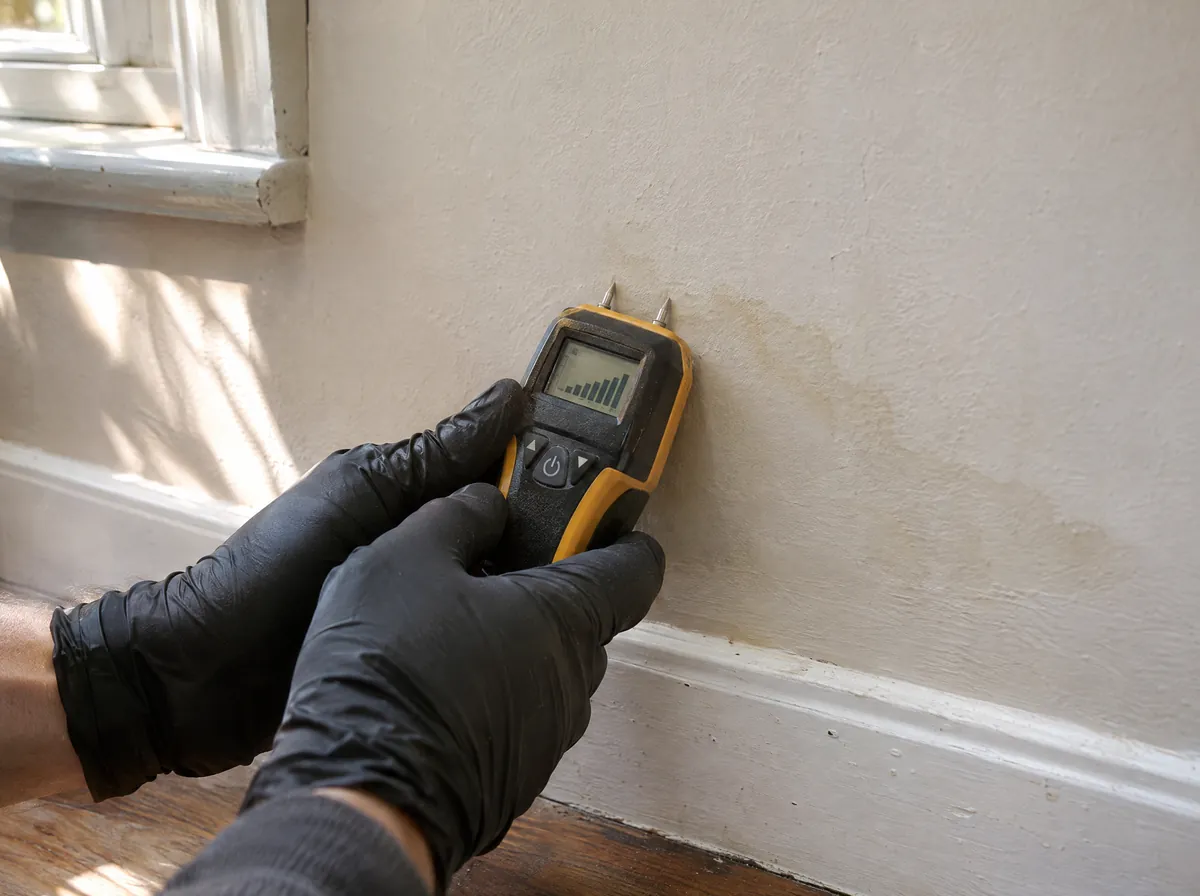
- 4Get a water damage pro to start drying. Standing water out, fans and dehumidifiers in, and daily moisture readings written down. Keep every invoice.
- 5List what was damaged. Item, brand, model, age, condition and replacement cost, with receipts or links where you have them.
- 6Get ready for the adjuster. Photos, video, moisture logs, your item list and your policy's declarations page, all in one place.
- 7Read the settlement line by line. Compare it with your restoration estimate. If something is missing, ask in writing for it to be added before you sign.
What to document
- Wide shot of each room, then close-ups
- The source: pipe, appliance or roof
- Water lines on walls and baseboards
- Serial numbers of damaged appliances
- Daily readings from the drying company
- Date, room, surface and reading
- Where the equipment was placed
- When each room reached dry
- Brand, model, age and condition
- Replacement cost with a link or receipt
- A photo of each item
- Anything moved off-site
- Claim number and adjuster's name
- A log of every call
- Receipts for drying, lodging and meals
- Written approvals
The adjuster's visit
The adjuster works for the insurance company. Walk the house with them room by room and point out everything. Ask for their report in writing. If their scope is lower than your restoration estimate, ask for the difference to be reviewed before you sign.
Questions homeowners ask
Does homeowners insurance cover water damage?
Many policies cover sudden, accidental water damage, like a burst pipe. Many don't cover slow leaks, poor maintenance, sewer backups without an add-on, or flooding from rising water, which needs separate flood coverage. Read your declarations page and ask your agent.
How soon should I report it?
As soon as the area is safe. Policies usually ask for prompt notice, and waiting can make the damage, and the claim, harder.
Should I start cleanup before the adjuster comes?
Usually yes: stop the water and start drying so it doesn't spread. Don't throw out damaged items or finish repairs until they're documented, and keep every receipt.
Will a claim raise my premium?
It can. If the repair is close to your deductible, it may make sense to get an estimate first and decide.
What if the claim is denied or paid low?
Ask for the decision in writing with the policy language. Get an independent estimate, ask for a re-inspection, and consider a public adjuster. Your state insurance department takes complaints.
General information, not legal or insurance advice. Every policy is different. Check yours and talk to your agent.