Any service

    What home repairs cost, and what drives the price

    Why three quotes for the same job can look so different, and what to ask before anyone starts work.

    By Service Pro NationUpdated November 9, 2026 · 5 min read
    Quick answerThe short answer, first.Read the quick answer
    Before work starts: get a written estimate for your job
    In this article

    Why quotes vary so much

    You call three companies for the same job and hear three different numbers. One won't give a number at all until they've seen it. That isn't guessing. The price depends on things most homeowners don't know to ask about: the age of the house, the materials, permit fees, local labor rates and what's behind the wall.

    What moves the price on any job

    Size of the areaOne room or the whole floor, one outlet or the whole panel. More area means more time and more material.
    AccessTight crawl spaces, steep roofs, finished walls and ceilings add time, and sometimes repair work after.
    MaterialsBasic and premium fixtures, pipe, shingles or equipment can be very different prices.
    How long it went onA leak caught today is a smaller job than one that has been soaking into the floor for weeks.
    PermitsSome work needs a permit and an inspection. Fees and rules vary from city to city.
    Emergency or scheduledAfter-hours and peak-season visits usually cost more than a scheduled visit in a slow month.

    What drives the price, service by service

    Heating and coolingRepair or replacement, the size and age of the system, how easy the unit and ductwork are to reach, parts, and whether it's an after-hours call.
    PlumbingWhere the problem is (out in the open, behind a wall or under the slab), pipe and fixture materials, how long it has leaked, and permits for bigger work like a water heater.
    RoofingThe size and pitch of the roof, how easy it is to reach, materials, how long a leak has gone on and what it damaged underneath, and permits for a replacement.
    ElectricalOne outlet or the panel, the age of the wiring, getting through walls and attics, and permits and inspections.
    Water damageHow far the water spread, how long it sat, what got wet (drywall, carpet, subfloor), and whether it's an emergency visit.
    MoldHow big the affected area is, where it is (attic, crawl space, inside walls), and the moisture source that has to be fixed too.
    House cleaningThe size of the home, its condition, a regular, deep or move-out clean, how often, and extras like inside the oven or windows.

    How to get and compare estimates

    • Get a written estimate before any work starts, and keep a copy.
    • For bigger jobs, get more than one written estimate.
    • Ask for an itemized breakdown, not just a total.
    • Compare scope and materials line by line. The lowest number often leaves something out.
    • Ask whether permits are included, and who pulls them.
    • Avoid paying most of the job up front.
    • Schedule non-urgent work outside the busy season when you can.
    • Ask what's covered if something goes wrong, and get it in writing.

    Before you hire, run through how to vet a contractor.
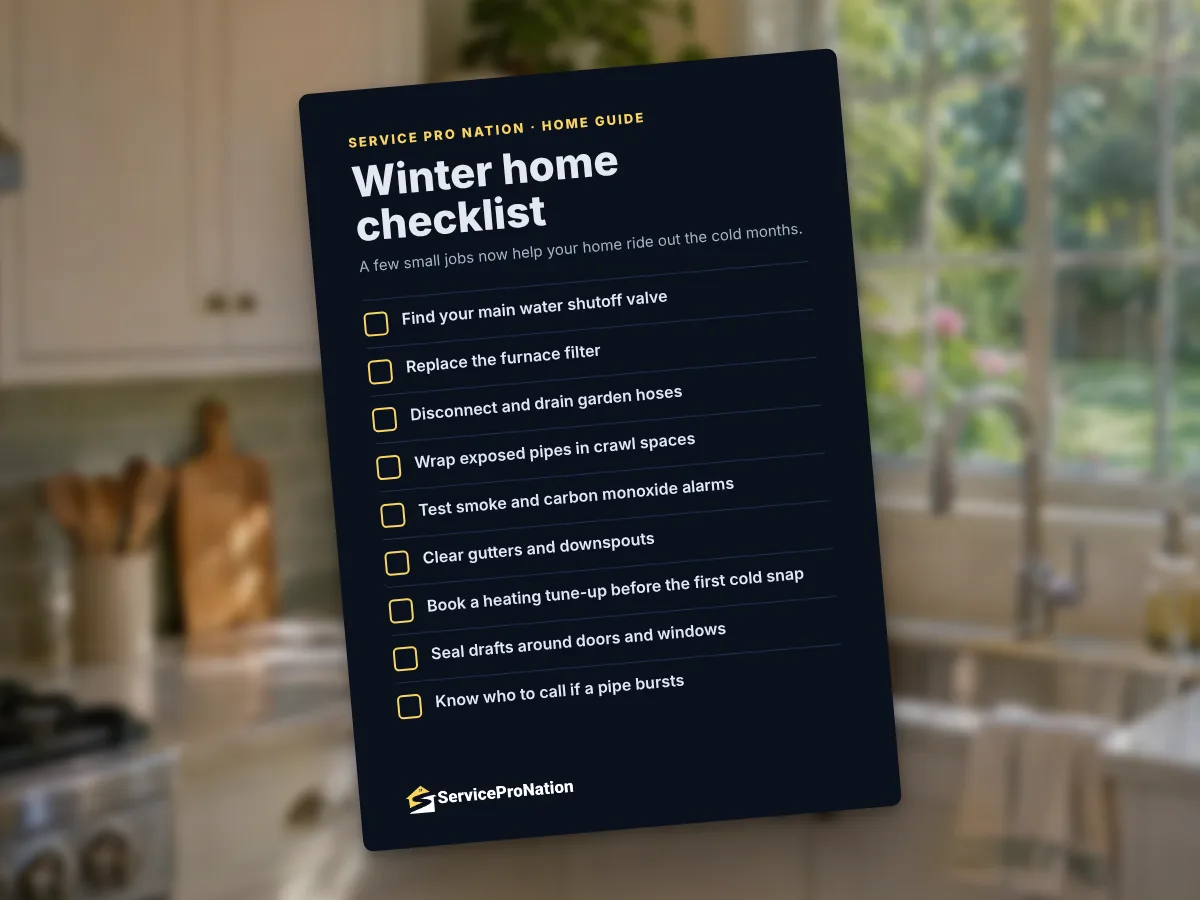
    The winter home checklist
    Winter home checklistGet the whole list on one pageTen things to check before the next hard freeze. South Florida ZIP codes get the storm-season version.

    Questions homeowners ask

    Why won't some companies give a price over the phone?

    Many problems can't be priced until someone sees them: how far water spread, what's behind the wall, how the roof is built. A price given before anyone looks is often a guess.

    Why does labor cost so much?

    An hourly rate covers more than the person in your house: insurance, vehicles, tools, training and office costs. A much lower rate can mean some of those are missing.

    Should I get more than one quote?

    For bigger jobs, yes. Then compare the scope, materials and timeline, not only the total.

    Can I negotiate?

    Sometimes. Ask about material options, timing or payment terms. Don't push for shortcuts on safety-related work.