Frequently Asked Questions
How can I find professionals for mold remediation in Atlanta?
Finding professionals for mold remediation in Atlanta is straightforward. You can connect with licensed and insured specialists through Service Pro Nation, which offers a network of verified local experts ready to assist with your mold issues.
What should I know about the mold removal process in Atlanta?
The mold removal process in Atlanta involves assessing the affected area, containing the mold, removing contaminated materials, and thoroughly cleaning the space. It's essential to hire licensed professionals due to the region's humid climate, which can exacerbate mold issues.
What are the common signs of black mold in homes?
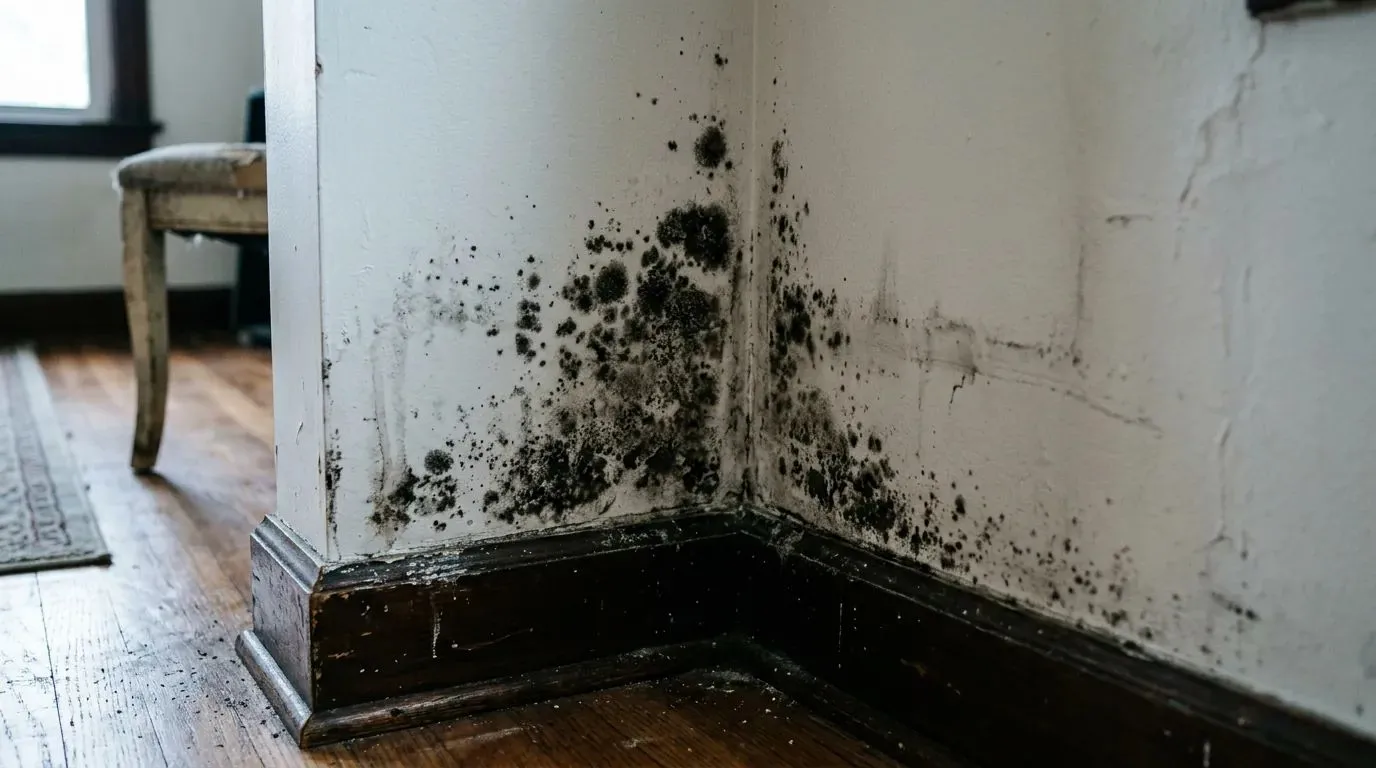
The common signs of black mold in homes include a musty odor, visible dark spots on walls or ceilings, and water damage or stains. Additionally, residents may experience allergic reactions, such as sneezing or coughing, indicating mold presence.
How urgent is it to address mold issues in a humid climate?
The urgency of addressing mold issues in a humid climate is critical. Mold can grow rapidly in such conditions, leading to health risks and structural damage if not promptly remediated.
What costs should I expect for mold remediation services in Atlanta?
The costs you can expect for mold remediation services in Atlanta typically range from $500 to $6,000, depending on the extent of the mold issue and the size of the affected area.
What tips can help prevent mold growth in my home?
Tips to prevent mold growth in your home include maintaining low humidity levels, ensuring proper ventilation, promptly fixing leaks, and regularly cleaning and drying areas prone to moisture, such as bathrooms and kitchens.
How to choose a mold remediation professional?
Choosing a mold remediation professional involves verifying their credentials, ensuring they are licensed and insured, checking customer reviews, and obtaining detailed estimates. Prioritize professionals with experience in mold issues specific to your area, particularly in Atlanta's humid climate.
What are the steps in mold removal?
The steps in mold removal include identifying the source of moisture, containing the affected area, removing contaminated materials, cleaning and disinfecting surfaces, and finally, repairing any damage to prevent future mold growth.
How long does mold remediation take?
The duration of mold remediation typically varies based on the extent of the infestation, ranging from a few hours to several days. Factors such as the size of the affected area and the type of mold also influence the timeline.
What are the health risks of black mold?
The health risks of black mold include respiratory issues, allergic reactions, and potential toxicity, which can lead to serious health complications, especially in individuals with pre-existing conditions or weakened immune systems.
How can I identify mold in my home?
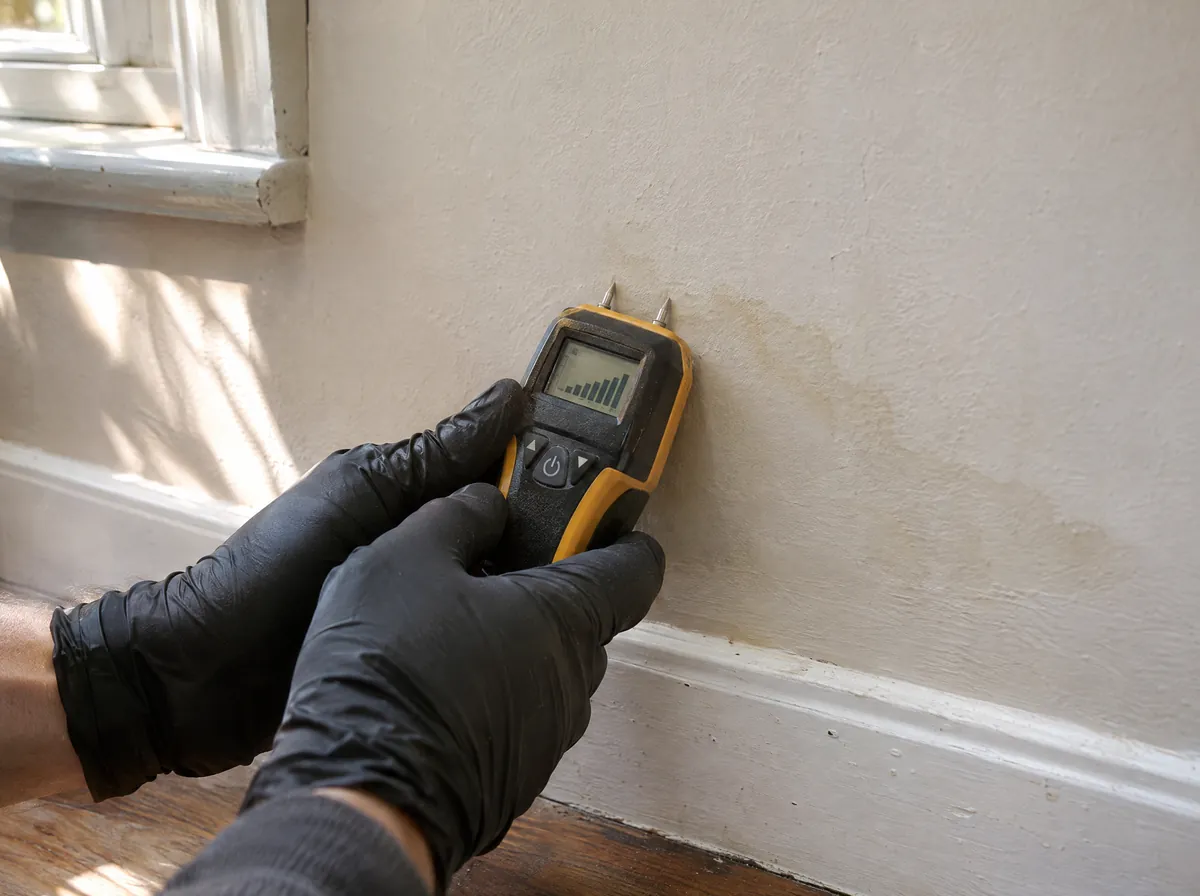
Identifying mold in your home involves looking for visible signs such as dark patches on walls, ceilings, or floors, as well as a musty odor. Additionally, check damp areas like bathrooms and basements where mold is likely to thrive.
What equipment is used for mold removal?
The equipment used for mold removal includes specialized vacuums with HEPA filters, dehumidifiers, air scrubbers, and protective gear like respirators and gloves. These tools help effectively eliminate mold and prevent its return.
How to prepare my home for mold remediation?
Preparing your home for mold remediation involves clearing the area of furniture and personal items, ensuring proper ventilation, and sealing off affected spaces to prevent cross-contamination. This helps facilitate an effective and safe remediation process.
What are the best practices for mold prevention?
The best practices for mold prevention include maintaining low indoor humidity, ensuring proper ventilation, promptly fixing leaks, and regularly cleaning and inspecting areas prone to moisture, such as bathrooms and basements.
How often should I check for mold?
The frequency of checking for mold should be at least once every season, especially in humid climates like Atlanta. Additionally, inspect areas prone to moisture after heavy rainfall or leaks to ensure early detection and remediation.
What are the signs of mold in basements?
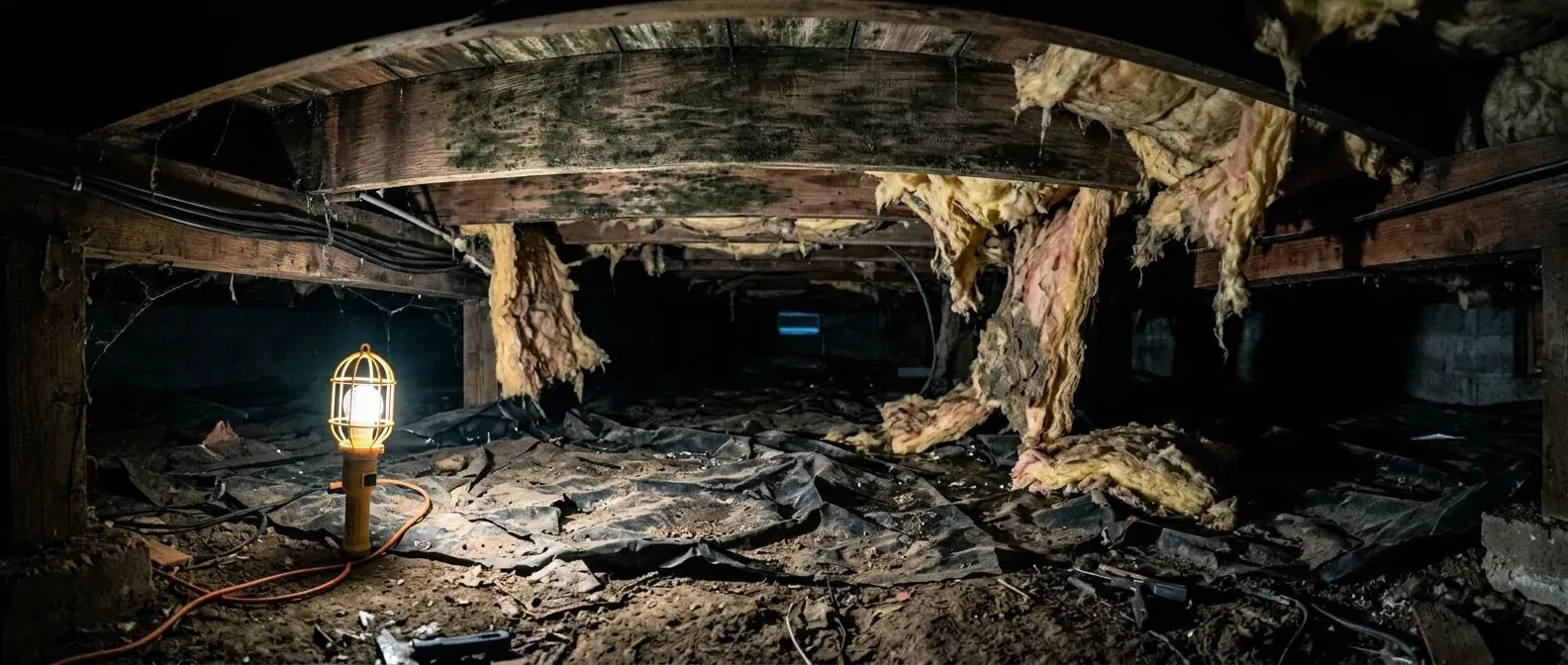
The signs of mold in basements include visible mold growth, a musty odor, water stains on walls or ceilings, and increased humidity levels. Promptly addressing these indicators is essential to prevent further damage.
How does humidity affect mold growth?
Humidity significantly influences mold growth. High humidity levels create an ideal environment for mold spores to thrive, as they require moisture to develop and spread. In humid climates like Atlanta, mold can proliferate quickly if not addressed.
What should I do if I find mold?
If you find mold, it’s crucial to address it immediately. Begin by isolating the affected area, ensuring proper ventilation, and contacting a licensed mold remediation professional to assess and safely remove the mold.
Are DIY mold removal methods effective?
DIY mold removal methods can be effective for small, surface-level infestations, but they often fail to address deeper issues or prevent recurrence. For comprehensive and safe mold remediation, it's best to consult licensed professionals.
What is the average cost of mold inspection?
The average cost of mold inspection typically ranges from $300 to $600, depending on the size of the property and the complexity of the inspection required.
How can I find licensed mold professionals?
Finding licensed mold professionals is essential for effective remediation. You can connect with verified experts in Atlanta through Service Pro Nation, which links homeowners to licensed and insured specialists in mold removal services.
What are the common types of mold in homes?
The common types of mold found in homes include Aspergillus, Cladosporium, Stachybotrys (black mold), and Penicillium. These molds thrive in damp environments and can pose health risks if not properly remediated.
How to safely remove mold from surfaces?
Safely removing mold from surfaces involves using a mixture of water and detergent or a commercial mold remover, scrubbing the affected area with a brush, and ensuring proper ventilation. Always wear protective gear, including gloves and a mask, to prevent exposure.
What should I do after mold removal?
After mold removal, it's essential to monitor the area for any signs of moisture and mold regrowth. Ensure proper ventilation, maintain low humidity levels, and regularly inspect for leaks to prevent future mold issues.
How can I improve ventilation to prevent mold?
Improving ventilation is essential to prevent mold growth. To enhance airflow, open windows regularly, use exhaust fans in kitchens and bathrooms, and consider installing vents in attics and crawl spaces to reduce humidity levels.
What are the legal requirements for mold remediation?
The legal requirements for mold remediation include adherence to local building codes, proper licensing for contractors, and compliance with health and safety regulations. Homeowners should verify that professionals are insured and follow best practices to ensure safe removal.
How to handle mold in rental properties?
Handling mold in rental properties involves promptly notifying the landlord or property manager, who is responsible for addressing the issue. Tenants should document the mold's location and extent, ensuring a safe and healthy living environment.
What insurance covers mold damage?
Insurance that covers mold damage typically includes homeowners insurance, but coverage can vary by policy and provider. It's essential to review your specific policy and consult with your insurance agent to understand your coverage limits and exclusions.
How to recognize mold allergies and symptoms?
Recognizing mold allergies and their symptoms involves identifying common reactions such as sneezing, coughing, nasal congestion, itchy eyes, and skin rashes. If you experience these symptoms, especially in damp environments, it may indicate a mold allergy.
What is the difference between mold and mildew?
The difference between mold and mildew lies in their appearance and growth patterns. Mold is typically fuzzy or slimy and can be various colors, while mildew appears as a flat, powdery substance, usually white or gray.