Water Damage Leads vs. Inbound Calls: What Restoration Companies Should Pay For
Compare water damage leads and inbound calls to find the right fit, avoid wasted spend, and turn more inquiries into real conversations.

Restoration companies should evaluate water damage leads by what they pay for, the work required to reach a prospect, and the likelihood of a relevant customer conversation—not just the price or lead count. Shared leads require rapid follow-up against competitors, while inbound calls offer immediate conversations but still need qualification for service, location, and intent.
What you are actually buying with water damage leads
Water damage leads are not all the same product. One seller may deliver a form with a homeowner’s name, contact details, and a short description. Another may offer a phone call from someone actively seeking help. A third may sell appointments or inquiries filtered by location and service type. Each arrangement places a different amount of work between the restoration company and a possible job.
For an owner, the first question is not how many leads are included. It is what event the company is paying for. Is payment triggered by a form submission, a transferred call, a minimum conversation length, or an accepted appointment? What happens when the property is outside the service area, the caller needs a service the company does not perform, or the person cannot authorize work?
A low headline price can obscure the operational cost of chasing contacts. A higher-quality conversation may still be a poor purchase if it arrives when the team cannot answer. Evaluate the entire path from initial inquiry to a real customer conversation.
Shared leads start a race
A shared lead commonly begins with one homeowner completing one request form. The information may then go to several restoration businesses. Those businesses are contacting the same person, sometimes within minutes of one another. The homeowner may be stressed, unsure which company will respond, and unwilling to repeat the situation multiple times.
For the restoration operator, this creates a speed contest. Someone has to read the lead, decide who will follow up, call, leave a message if necessary, and try again. Even a genuine homeowner can become unreachable after speaking with another company. The result is time spent on outreach rather than a conversation already in progress.
Shared leads are not inherently useless. They may fit a team with a disciplined response process, sufficient coverage, and a clear view of conversion economics. But a buyer should not mistake a list of contact records for a set of ready conversations. Ask how many businesses receive the same inquiry and when the distribution happens.
A shared inquiry creates work before anyone has confirmed the job is a fit. Staff may call a homeowner who has already spoken to another company, may be unavailable, or may need a service outside the company’s scope. Those outcomes do not necessarily mean the homeowner was unreal; they mean the lead format and the operator’s workflow were mismatched.
For owners evaluating shared leads, ask how many businesses receive the same inquiry and when each receives it. Also ask whether the homeowner understands that multiple companies may contact them. A clear answer helps the operator decide whether the source fits its staffing and follow-up process.

What an inbound call is
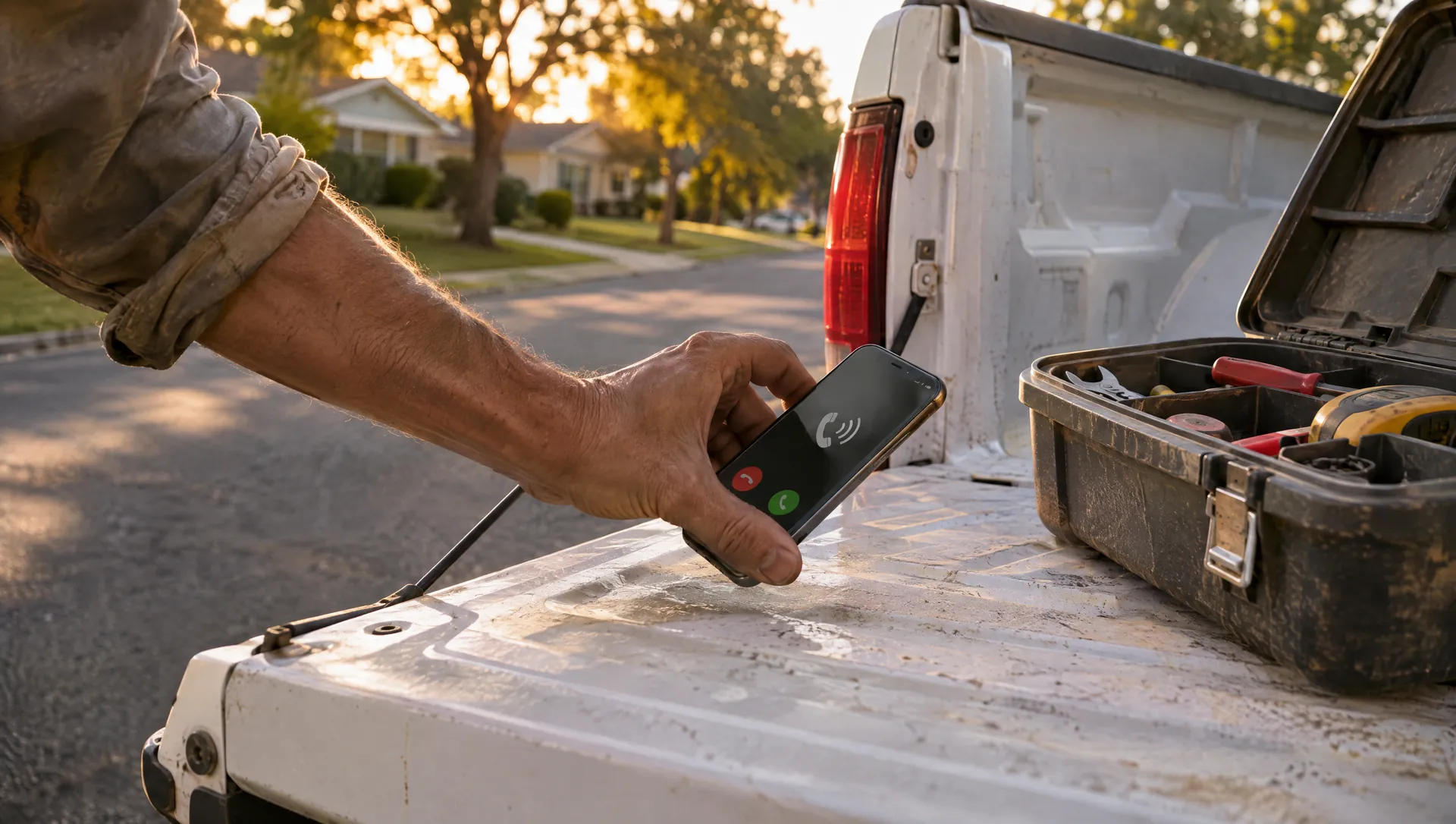
An inbound call starts when a homeowner calls a business number or is connected by a call source. Instead of receiving a record and attempting outreach, the restoration company has the opportunity to speak with someone who is already on the phone. That can reduce the distance between inquiry and initial assessment.
Not every inbound call is valuable. Some callers ask about an unrelated service, are outside the territory, or are seeking general information rather than help with active damage. Calls can also be missed, routed poorly, or abandoned before a useful conversation begins.
The practical advantage is immediacy, not a promise of a booked job. Owners should evaluate whether the caller is relevant and whether the company has the capacity to answer, qualify, and follow up appropriately.
What makes a call qualified
Start with the problem. Is there actual water intrusion, a leak, or damage that fits the company’s services? Next, check geography. Is the property inside the agreed service area, including any excluded ZIP codes or travel limitations? Then confirm intent: is the person seeking restoration help, not a different trade or an unrelated question?
Decision-making matters too. A property owner, authorized manager, or another person able to move the project forward may be more actionable than someone collecting information without authority. Finally, ask whether the call reached the intended business and met the source’s written qualification rules.
Define these criteria before the first invoice. A source may consider a call billable based on duration, while an operator may consider it useful only after confirming the service need. Neither definition should be assumed.
If you want to understand Service Pro Nation’s provider model, See How It Works for Pros. The goal is to make the source, call criteria, and operational expectations clear before deciding whether it fits your company.
Qualification should be written as a repeatable decision, not an impression formed after an invoice arrives. Define accepted services, excluded situations, geography, homeowner intent, and whether the caller can authorize a visit. Record the reasons a call is accepted or disputed so patterns can be reviewed consistently.
For example, a real caller with water on a floor may still be outside the agreed territory. A property manager may be an appropriate decision-maker for one operator but not another. These details belong in the agreement before traffic begins, not in an argument after a call is billed.
Questions to ask any lead or call source before you pay
Ask whether the inquiry is exclusive or shared, and get the answer in writing. Ask which services and geographic areas are included. Ask exactly what makes a call or lead billable, whether duplicate or wrong-service inquiries are excluded, and how disputes are handled. Confirm what information is supplied for review and what privacy rules govern recording or call data.
Next, ask how traffic is generated and what homeowners are told before calling. A source should be able to describe the user experience without vague claims. Ask how calls are routed, what happens when your line is busy, and whether there is any geographic or scheduling control. Understand the cancellation terms and whether changes take effect immediately or after a notice period.
Internally, calculate the cost of answering, qualifying, dispatching, and following up. Review your own outcomes by source rather than relying on generic industry averages. A call can be real and still be a poor fit for a particular service area or crew capacity.
For a more detailed evaluation, read What Operators Should Ask Any Pay-Per-Call Network Before Taking a Single Call and How Premium Home Service Calls Get Priced.
Ask to see the full customer journey. What does the homeowner read before calling? Is the service category clear? Is the city selected explicitly? Does the source screen out unrelated inquiries, and what happens when the receiving business cannot answer? These questions reveal how much qualification happens before the phone rings.
Next, agree on how performance will be reviewed. Track relevant calls, out-of-area calls, missed calls, duplicate inquiries, and jobs the business actually chose to pursue. Review them over a meaningful period using the same definitions. The objective is not to assume every inbound call converts, but to know whether the channel produces conversations your operation can serve.

How Service Pro Nation connects homeowners with restoration pros by phone
Service Pro Nation is a connection platform. It helps homeowners looking for local services reach independent professionals; it does not perform restoration work itself. For restoration businesses, the relevant discussion is whether a phone-based connection model aligns with the markets they serve and the types of jobs they handle.
The most useful provider conversation begins with fit. Which water damage services can the company accept? What locations can it cover? Who answers incoming calls, and what information is needed to decide whether a job is appropriate? A clear operational picture helps both sides understand the opportunity.
There is no substitute for reviewing the actual terms of a lead or call arrangement. Owners should compare definitions, call handling requirements, and their own conversion process before committing. See How It Works for Pros to learn more about the Service Pro Nation approach.